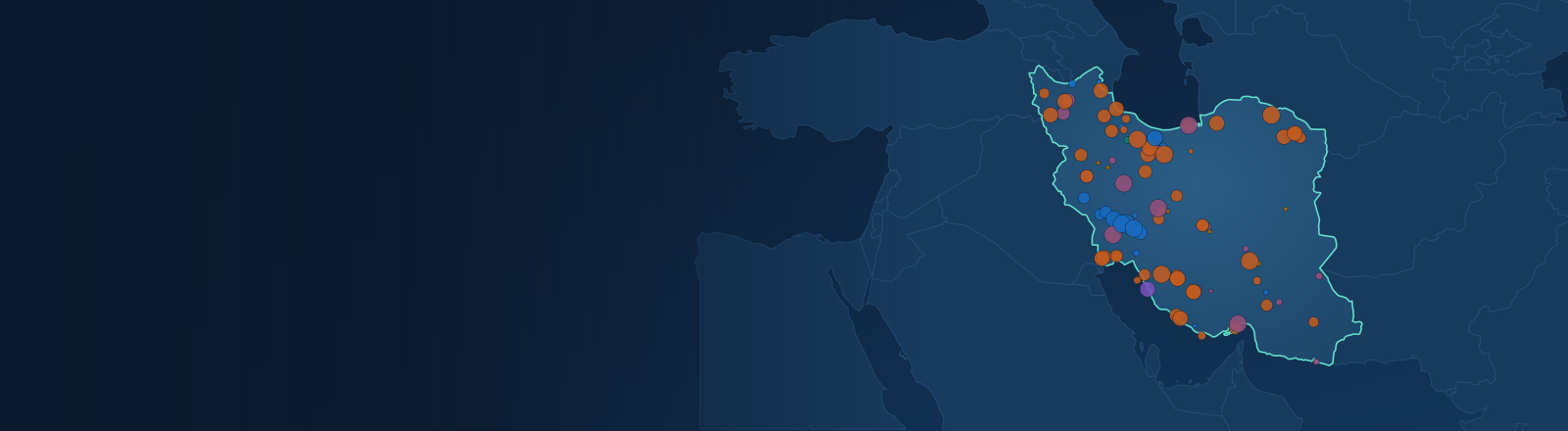
Reported capacity is the rated size of the listed installations, not electricity being produced now. Source dates and coverage differ, so newer facilities may be absent and historical records may remain.
How electricity works in Iran
Vertically integrated utilityOne utility does everything
Gas supplies most power; the Iran Energy Exchange trades some electricity.
GenerationState utility
TransmissionState utility
DistributionState utility
CustomersGovernment-set tariffs
Who regulates
No separate independent regulator is listed: the government or the utility itself sets tariffs and technical rules.
Who controls the grid
State-owned Tavanir holding and its subsidiaries run generation, transmission and distribution; Iran Grid Management Company dispatches.
Not part of a larger synchronous grid or regional power pool.
What does “Vertically integrated utility” mean?
A single, usually state-owned utility generates, transmits and distributes electricity. Prices are set or approved by the government or a regulator rather than by a market.
The role is described by IGMC’s own organisational profile. Its direct website may be intermittently unavailable; the source link remains available separately.
References reviewed 2026-09-29. Logos are each organisation’s own site icon, shown to identify it. Selected organisations, not an exhaustive list of licence holders.
Iran is in Southern Asia. Its coastal or island geography provides a different setting for electricity infrastructure from inland systems. This profile connects country reference information with the historical station inventory and reported electricity generation.
Capital
Tehran
Languages
Persian (Farsi)
Region
Southern Asia
Geographic reference: Countries geographic database (ODbL). Boundaries and names are for orientation; language listings are introductory, not exhaustive. Banner map: Natural Earth boundaries (public domain) with this atlas’s station records.
The source inventory contains 107 records for Iran. Select a fuel in the map to explore where its stations are located, then open a record to inspect reported capacity and provenance.
Inventory coverage
107 source records. 0 reported operational in their source snapshot; this is not live status.
Browse 107 source records, ordered by reported capacity. Ownership and operating status describe the source snapshot; they may have changed. Missing information is shown explicitly.
Published selection: 12 records. JavaScript loads the full searchable inventory.